
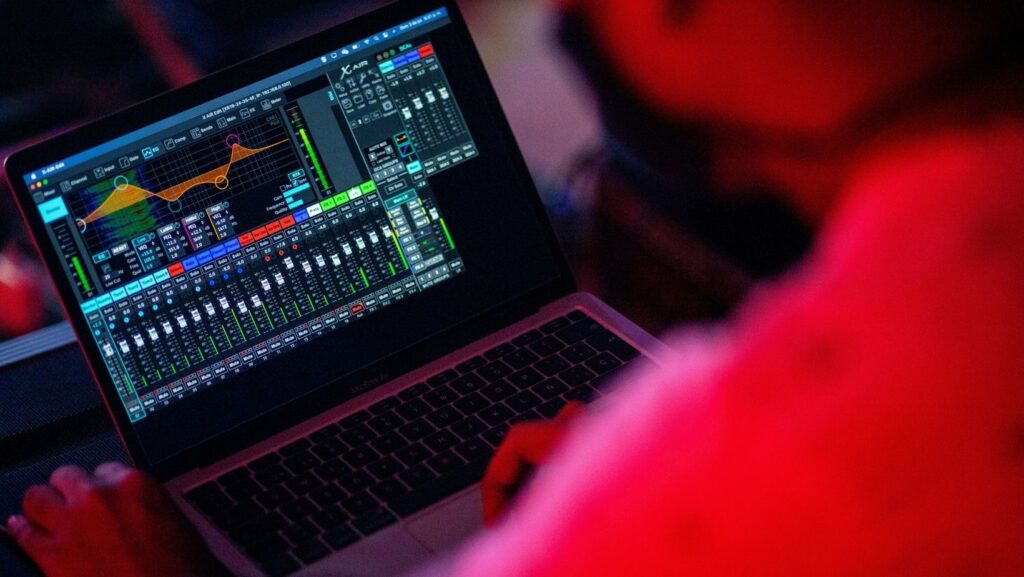
Modern music production blends traditional instruments with cinematic sound design elements that add energy, clarity, and character to a track while helping producers shape transitions and emphasize key moments inside their arrangements. Producers working in electronic music, hip hop, trailer music, and hybrid genres often rely on sound design elements to support musical structure while keeping the production engaging from the first bar to the final section.
Many producers build their sessions around a mixture of synths, drums, and vocal layers, yet sound design elements often become the tools that give a track its identity because subtle accents and transitions help guide the listener through the arrangement without interrupting the musical flow. These elements appear in build ups, transitions, drops, and arrangement shifts where a carefully chosen sound can define the moment clearly.
In many modern workflows a sound effects library becomes a curated collection of cinematic impacts, transitions, textures, and hits designed for modern production. A well-organized collection allows creators to test different sounds during production while maintaining consistent sonic quality across the entire track.
The Expanding Role Of Sound Design In Music Production
Electronic and hybrid music styles increasingly rely on sound design elements that complement traditional musical components while expanding the palette available to producers during the creative process. Cinematic hits, ambient textures, and transitional accents often appear alongside drum patterns and melodic layers because these sounds provide contrast and structure inside the arrangement.
Modern listeners respond strongly to dynamic production, and sound design tools help producers create clear moments that mark transitions between sections of a track while maintaining listener engagement. Subtle sound accents may introduce a new section, while larger sound elements can reinforce the arrival of a drop or a dramatic arrangement shift.
Creative Production Benefits Of A Professional Sound Collection
Sound collections allow producers to experiment quickly with different textures and accents while building the arrangement of a track because organized libraries provide immediate access to sounds that have already been recorded, shaped, and processed for professional use. This workflow advantage becomes especially important when producers work under deadlines or when they want to maintain momentum during the creative process.
Using Sound Effects Library Resources Inside Modern Sessions
Producers frequently integrate sounds from a sound effects library directly into their sessions because these collections contain carefully crafted elements that can reinforce transitions, highlight arrangement changes, and support dramatic musical moments without requiring additional sound design work during the session. A cinematic accent placed at the start of a new section can signal a change in energy, while a short transitional element can guide the listener smoothly into the next part of the arrangement.
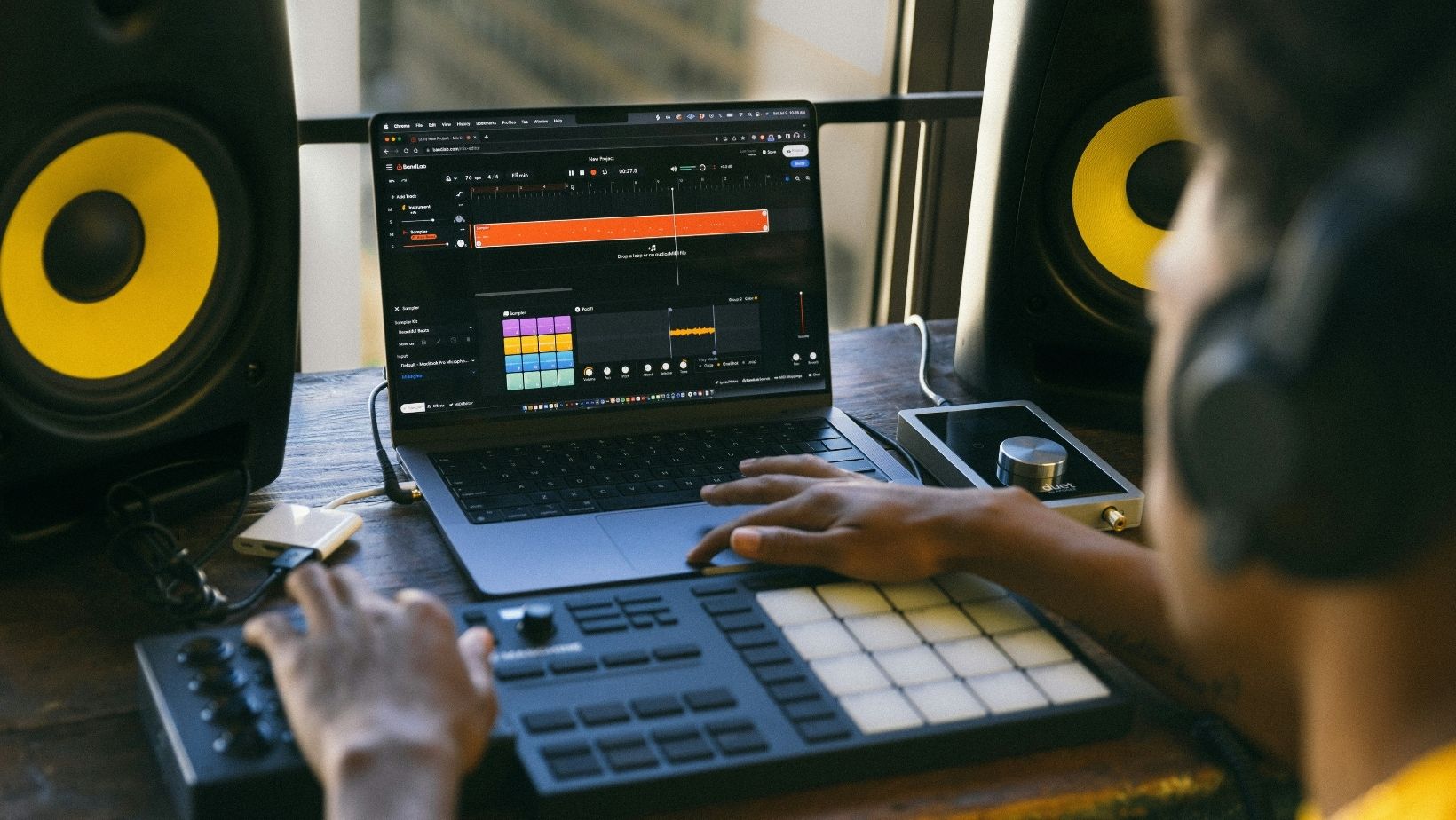
These libraries also provide sonic consistency across projects since professionally designed sound collections often include variations of similar sounds that share tonal balance and production quality. This consistency helps producers maintain a cohesive sound across an entire track while still allowing flexibility during arrangement and mixing.
Impact Accents And Dynamic Transitions In Modern Tracks
Modern music production frequently includes moments where a strong accent reinforces the arrival of a new section or highlights a dramatic shift in the arrangement. Producers working with cinematic or hybrid styles often rely on carefully shaped impacts to emphasize the moment when drums enter, when a drop lands, or when a track transitions into a new atmosphere.
Integrating Hit Sound Effects In Music Production
Producers often introduce hit sound effects to emphasize the arrival of important musical moments because these sounds provide a focused accent that can cut through the mix without interfering with melodic elements. A short hit can reinforce a drum fill, support a build up transition, or mark the start of a powerful drop inside the track.
These sounds remain effective because they add clarity and definition to arrangement changes while helping the listener perceive the transition as a meaningful moment in the track. When layered carefully alongside percussion or bass elements, a well designed hit can provide additional impact while remaining balanced within the overall mix.
Sound Design Tools That Support Studio Workflow
Professional producers often rely on several categories of sound design tools during production because different sounds serve different roles inside a track while contributing to the overall sonic character of the arrangement. Organized sound libraries allow producers to move quickly through creative ideas without interrupting the flow of the session.
Common sound elements used during music production include:
- Transitional accents that introduce new sections of a track
- Cinematic impacts that emphasize arrangement changes
- Ambient textures that support atmosphere in intros and breakdowns
- Percussive hits that reinforce rhythmic moments
Producers often combine these elements with traditional musical components so that sound design becomes part of the arrangement rather than an external addition applied at the end of the process.
Building A Reliable Production Toolkit
Every producer eventually develops a personal toolkit that includes instruments, plug ins, and sound libraries that can be trusted during the creative process because reliable tools allow creators to focus on composition and arrangement instead of constantly searching for new resources. A curated sound collection becomes part of that toolkit when producers want consistent quality and fast access to useful sound design elements.
Some creators working across music production, film scoring, and multimedia projects rely on curated sound collections such as those offered by Ocular because these libraries provide a wide range of cinematic sounds that integrate easily into modern production workflows while maintaining the clarity required for professional mixes.
Frequently Asked Questions About Sound Design Libraries
- When should producers use sound effects inside a music track
Sound effects can reinforce arrangement transitions, introduce new sections, and emphasize key moments in the track while helping listeners recognize changes in energy or atmosphere.
- Do sound effects replace traditional musical elements
Sound design elements complement instruments and drums rather than replacing them because they support the structure of a track while allowing musical elements to remain the central focus of the production.
- Are cinematic sounds useful in genres outside film music
Many electronic and hybrid genres incorporate cinematic sounds because these elements add scale and clarity to arrangement changes while helping producers create distinctive production styles.
- What makes a professional sound library valuable for producers
A high quality library offers consistent sound design, organized categories, and sounds that integrate easily into mixes while maintaining clarity alongside instruments and vocals.
- Can sound effects improve transitions between sections in a track
Carefully placed sound accents can guide the listener through arrangement changes while reinforcing the emotional impact of transitions between musical sections.